Selling on multiple platforms sounds smart. More visibility. More customers. More sales.
But reality hits quickly. You sell a product on Amazon, while your Shopify store still shows the same item in stock. A customer places an order, only for you to discover you cannot fulfill it.
This challenge frustrates sellers every day. Without proper inventory management, overselling becomes common, customers become disappointed, and your reputation suffers. As you expand to more sales channels, the complexity only increases.
The good news is that with the right systems and processes, you can keep inventory accurate across every platform. Let’s walk through the strategies that help online stores stay in control.
Stop Overselling Products Across Channels
Master inventory management that keeps stock accurate everywhere.
Why Multi Channel Inventory Management Matters
Managing inventory across multiple platforms is far more complex than managing a single online store. Every sales channel operates differently. Amazon tracks inventory one way, while Shopify, Etsy, and other marketplaces use their own systems.
Without proper synchronization, inventory quickly becomes inaccurate.
Overselling is one of the biggest risks. Customers expect their orders to arrive. When products are unavailable after purchase, frustration follows. Negative reviews increase, trust declines, and repeat business becomes less likely.
At the same time, inaccurate inventory can lead to missed sales opportunities. Many businesses hold back stock because they are unsure of actual inventory levels. Products sit in storage while potential revenue is lost.
Accurate inventory management prevents both problems. It ensures customers receive what they order while helping you maximize every sales opportunity.
Essential Inventory Tracking Practices
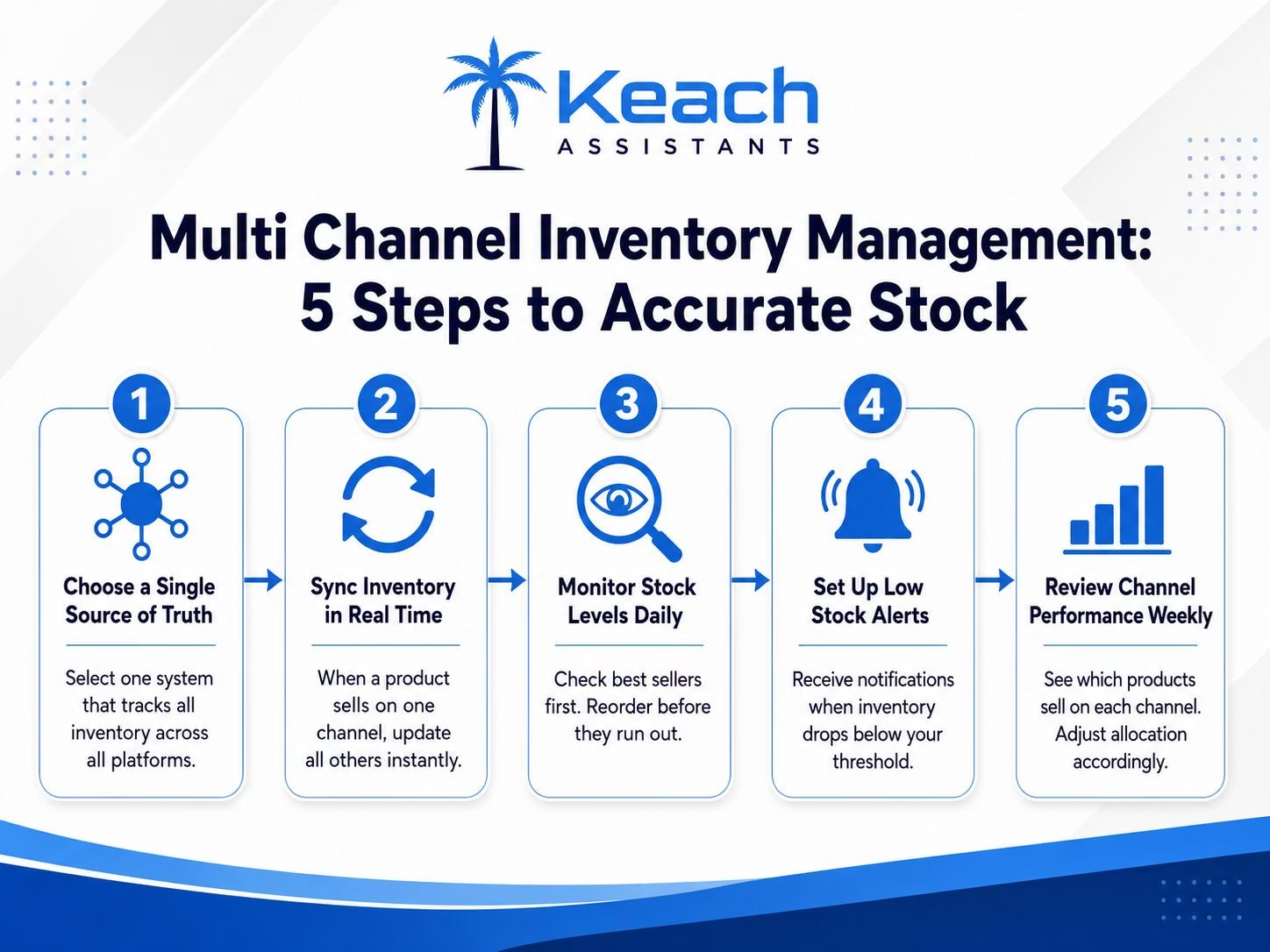
The foundation of successful inventory management is having a single source of truth.
Choose one central system to manage inventory across all platforms. Whether it is your ecommerce platform or a dedicated inventory management solution, every channel should connect to the same inventory database.
Inventory should update immediately after each sale. Manual updates create unnecessary risk because they rely on memory and consistency. One missed update can throw off your entire inventory count.
Automated synchronization eliminates this problem. Whenever a product sells, inventory levels update across all connected channels automatically.
Daily inventory monitoring is equally important. Review your best-selling products regularly and identify low-stock items before they become unavailable. Proactive monitoring prevents costly stockouts and keeps your most popular products available for customers.
Struggling to Track Inventory Across Multiple Sales Channels?
At Keach Virtual Assistants, we provide ecommerce virtual assistants who handle multi-channel inventory management. They monitor stock levels, sync inventory across platforms, set up reorder alerts, and help prevent overselling.
You focus on growth while we help keep your inventory accurate. Get Inventory Help
Choose the Right Stock Management System
Your stock management system serves as the backbone of your inventory operation.
The ideal system integrates with all your sales channels and automatically keeps inventory synchronized. Managing stock manually across multiple platforms may work temporarily, but it almost always leads to errors as your business grows.
Look for real-time synchronization capabilities. When a product sells on Amazon, your inventory should update on Shopify, Etsy, and every other connected channel immediately.
Cloud-based systems offer additional advantages. They allow you to access inventory data from anywhere and enable multiple team members to work from the same information without confusion.
The right system simplifies daily operations and creates confidence in your inventory data.
Prevent Common Inventory Mistakes
Many inventory problems stem from a few common mistakes.
One of the biggest is counting inventory too infrequently. Monthly inventory checks may seem sufficient, but sales activity can dramatically change stock levels between counts. High-volume products should be reviewed more frequently to maintain accuracy.
Another common mistake is ignoring low-stock alerts. Inventory notifications exist for a reason. When stock drops below a predetermined threshold, immediate action helps prevent stockouts and lost sales.
Seasonal demand also requires careful planning. Many businesses underestimate how much inventory they need during peak periods. Holiday sales, promotional campaigns, and seasonal buying trends should all be considered well in advance.
Successful inventory management requires both accurate tracking and proactive planning.
Stop Losing Sales to Inaccurate Inventory Counts
Learn inventory optimization techniques that keep your best sellers in stock.
How to Optimize Inventory Across Platforms
Not every sales channel performs the same way.
Some products may sell rapidly on Amazon while others perform better on Shopify, Etsy, or additional marketplaces. Understanding these differences allows you to allocate inventory more effectively.
Reserve sufficient stock for your strongest-performing channels. If one marketplace consistently generates higher sales, prioritize inventory availability there.
Regularly review your sales data to identify trends. Look at which products perform best on each platform and adjust inventory allocations accordingly.
Moving inventory strategically helps maximize revenue while reducing the likelihood of stockouts on your most profitable channels.
Inventory optimization is not a one-time task. It is an ongoing process driven by performance data and customer demand.
Know When to Hire Help
As your business grows, inventory management becomes increasingly demanding.
More products create more tracking requirements. More sales channels create more points of synchronization. What once took a few minutes each day can eventually consume hours.
When inventory management begins taking more than an hour of your day, it may be time to seek support.
An ecommerce virtual assistant can monitor stock levels, manage reorder alerts, oversee synchronization between channels, and handle routine inventory tasks. This allows you to focus on sourcing products, growing revenue, and expanding your business.
Delegating inventory management helps maintain accuracy without consuming your valuable time.
Before You Go: Automate Your Store Operations
If you want to streamline your business even further, check out our related guide on ecommerce automation. It covers the tasks online stores can automate or delegate to save time and improve efficiency.
Ready to Master Multi Channel Inventory Management?
Let an ecommerce virtual assistant handle stock tracking while you grow.
Conclusion
Managing inventory across multiple sales channels requires the right systems, processes, and attention to detail.
Start by creating a single source of truth for inventory data. Use automated synchronization to update stock levels immediately after every sale. Monitor inventory regularly, set reorder alerts, and choose a stock management system that integrates with all your platforms.
Avoid common mistakes such as infrequent inventory counts, ignored stock alerts, and poor seasonal planning. Use performance data to optimize inventory allocation and keep your most popular products available when customers want them.
Accurate inventory management is essential for multi-channel success. Without it, overselling, stockouts, and customer dissatisfaction become common problems. With the right approach, you can maintain accurate inventory across every platform and support sustainable business growth.
At Keach Virtual Assistants, we provide ecommerce virtual assistants who manage multi-channel inventory operations. From stock monitoring and synchronization to reorder alerts and optimization, we help keep your inventory accurate while you focus on growing your business.
Let us help you stay in control of your inventory across every platform.
Frequently Asked Questions
What is multi-channel inventory management?
Multi-channel inventory management tracks inventory across all sales platforms simultaneously. When a product sells on one channel, inventory levels automatically update everywhere else. This prevents overselling and keeps stock counts accurate across all marketplaces.
How do I choose an inventory management system?
Choose a system that integrates with all your sales channels and supports real-time synchronization. Cloud-based solutions offer greater accessibility and flexibility. The best system depends on your business size, sales volume, and budget.
What are common inventory management mistakes?
Common mistakes include counting inventory too infrequently, ignoring low-stock alerts, failing to prepare for seasonal demand, and manually updating inventory across channels. These issues often result in stockouts, overselling, and inaccurate inventory data.
How can I optimize inventory across multiple channels?
Analyze sales data regularly to identify which products perform best on each platform. Allocate inventory strategically based on channel performance and customer demand. Continuously adjust inventory levels as sales trends change.
How can an ecommerce virtual assistant help with inventory?
An ecommerce virtual assistant can monitor stock levels, manage inventory synchronization across platforms, set up reorder alerts, identify slow-moving products, and recommend optimization opportunities. They handle day-to-day inventory tasks so you can focus on growing your business.