Starting an ecommerce business feels exciting. You imagine customers discovering your products. You picture orders rolling in. Then reality hits. Listings need creating. Orders need processing. Customers need answering.
The excitement quickly turns into overwhelm. Without systems, even a small store becomes chaotic. Many new entrepreneurs lose control because they focus entirely on launching and forget about daily operations.
The difference between success and struggle comes down to one thing: planning for operations before you launch. Let me walk you through how to start an ecommerce business with systems that keep you in control.
Stop Letting Daily Operations Overwhelm You
Start your ecommerce journey with systems that keep you in control.
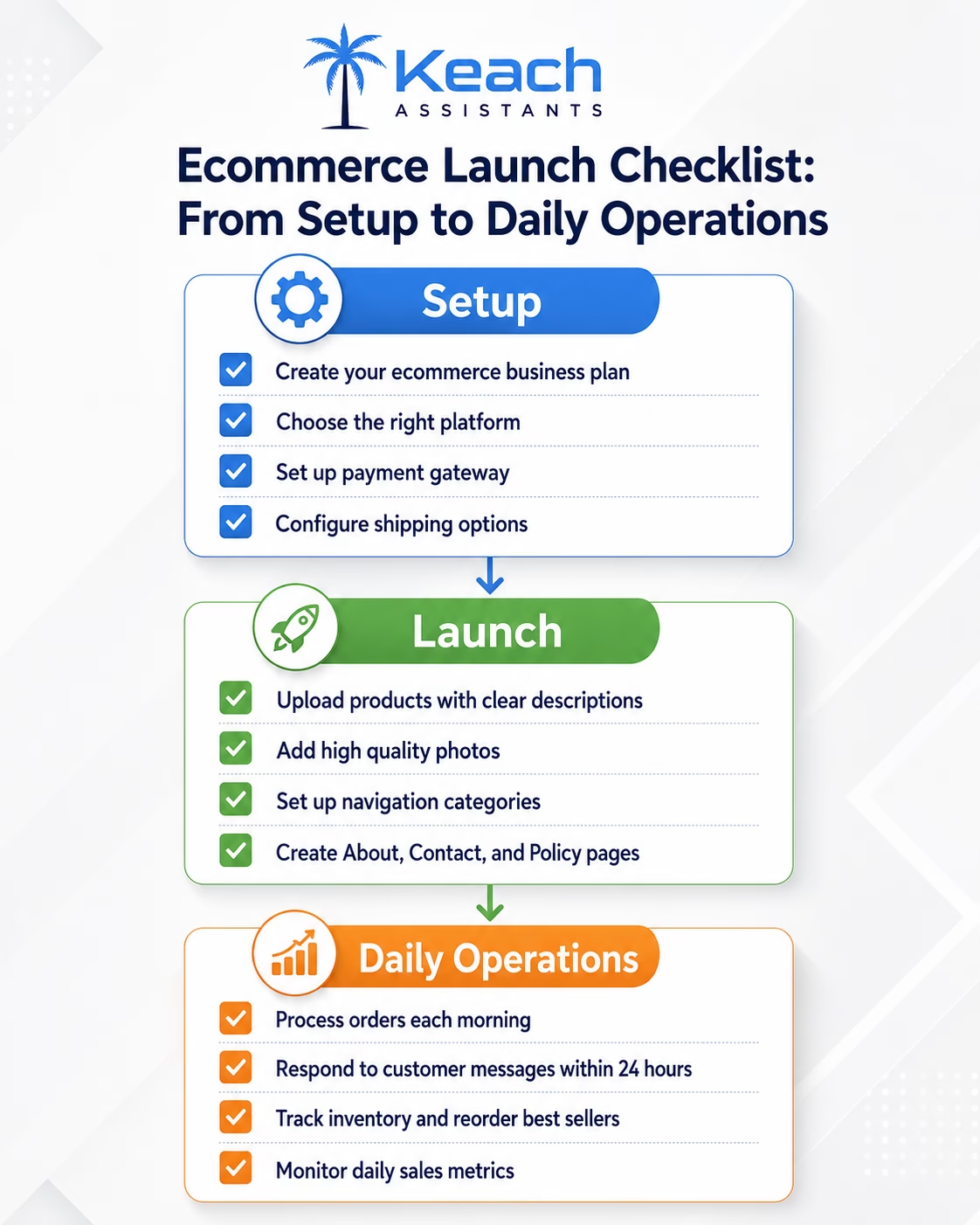
Start with a Solid Business Plan
Before ordering products or building a website, create a business plan. This might sound boring, but it prevents chaos later.
Your plan should outline what you are selling and why. Define your target audience clearly. Who are they? What problems do they need solving? Where do they currently shop?
Include financial projections too. List your startup costs, including platform fees, domain registration, initial inventory, and packaging. Then factor in ongoing expenses such as marketing, shipping, and payment processing fees. Understanding these numbers prevents cash flow surprises.
Most importantly, your plan should address operations from day one. Who will handle customer service? How will you process orders daily? What happens when you are sick or on vacation?
Answering these questions upfront prevents chaos later.
Choose the Right Ecommerce Platform
Your platform powers your entire store, so choose carefully.
Shopify is a popular option because of its user-friendliness and large selection of tools. It allows you to sell through multiple channels and works with more than 100 payment gateways worldwide.
WooCommerce offers a different approach. It is a WordPress plugin that provides extensive customization and flexibility. However, it comes with a steeper learning curve than Shopify.
When evaluating platforms, look for built-in inventory management, shipping calculators, and reporting tools. These features simplify daily operations significantly. Mobile-friendly themes should also be a priority since many customers shop directly from their phones.
Set Up Your Store for Smooth Operations
Building your store involves much more than adding products. You need systems that prevent daily overwhelm.
Create clear navigation categories so customers can easily find what they are looking for. Include essential pages such as About, Contact, Shipping Policy, and Returns Policy. These pages build trust and reduce the number of customer service questions you receive.
Set up your payment gateway carefully. Services like PayPal and Stripe are quick to implement and make transactions easy for customers. They also provide a secure place to hold funds before transferring them to your bank account.
Before launching, configure your shipping options. If you are using dropshipping, take time to understand delivery timelines and return procedures. Setting clear expectations helps prevent customer frustration later.
Establish Daily Operations Systems
This is where most new sellers lose control. Without daily systems, chaos takes over.
Create a consistent order-processing routine. Check orders every morning, print packing slips and shipping labels, then pack and ship within your promised handling time. Consistency prevents delays and keeps customers satisfied.
Set dedicated times during the day to check customer messages. Aim to respond within 24 hours. Creating saved replies for common questions about shipping, returns, and product details can save significant time.
Inventory management should also become a daily habit. Update quantities immediately after every sale and create low-stock alerts to avoid running out of your best-selling products. Stockouts frustrate customers and can damage your reputation.
Your Store Deserves More Than Chaos
Daily order processing and customer messages should not consume your life.
Plan Your Fulfillment Strategy
Your fulfillment strategy influences nearly every aspect of your business.
You can handle inventory yourself, use dropshipping, or leverage services like Amazon FBA. Each option comes with advantages and trade-offs.
Dropshipping reduces upfront investment because you do not hold inventory. However, it also means giving up some control over shipping speed and product quality. If you choose this route, work only with reliable suppliers and fully understand their fulfillment timelines.
Handling fulfillment yourself provides maximum control but requires dedicated space, packing supplies, and time. Setting up an organized packing station and efficient workflow can make a significant difference.
It is also wise to implement accounting software from the beginning. Ecommerce transactions can become complicated very quickly. Tools such as Xero help track sales, expenses, and profitability automatically, making financial management far easier.
Know When to Hire Help
As your ecommerce business grows, so will the demands on your time.
More products mean more listings to create. More orders mean more processing work. More customers mean more messages and support requests.
Consider hiring an ecommerce virtual assistant when daily operational tasks consistently exceed two hours per day. A virtual assistant can manage listing creation, order processing, and customer service, allowing you to focus on product development and growth strategies.
Start small by assigning simple tasks first. As trust develops, gradually expand their responsibilities. The right virtual assistant can transform your business from chaotic to controlled.
Before You Go: Master Paid Advertising First
If you plan to use advertising, check out our related guide. It covers Amazon PPC and how sellers manage ads without wasting budget. Many of the principles apply across ecommerce platforms and can help you avoid costly mistakes.
Ready to Launch Without Losing Control?
Let an ecommerce virtual assistant handle daily operations while you grow.
Conclusion
Starting an ecommerce business without losing control comes down to planning and systems.
Create a solid business plan that includes operational workflows. Choose a platform with built-in management features. Set up your store with processes that support smooth day-to-day operations. Establish routines for handling orders, managing inventory, and responding to customers. Carefully select a fulfillment strategy that aligns with your goals.
The key is to think about operations before you launch. Many sellers focus entirely on products and marketing, only to become overwhelmed by the daily demands of running a store.
Start with systems in place, and you will create a business that has room to grow.
At Keach Virtual Assistants, we provide ecommerce virtual assistants who handle daily operations, including listing creation, order processing, inventory tracking, and customer communication. You focus on product sourcing and business growth while we help keep your operations running smoothly.
Frequently Asked Questions
What do I need to start an ecommerce business?
You need an online storefront, a shopping cart system, payment processing, a fulfillment method, and clear business policies. Most entrepreneurs also need product photos, inventory, and a marketing plan.
Many sellers begin on marketplaces such as Amazon or eBay to minimize upfront costs before eventually building their own ecommerce website.
How do I choose an ecommerce platform?
Look for ease of use, mobile-friendly design, inventory management tools, SEO capabilities, and reporting features.
Shopify offers an all-in-one solution with minimal technical requirements, while WooCommerce provides deeper customization for users who want greater control.
How do I process orders without losing control?
Create a consistent daily routine. Check orders each morning, ship within your stated handling time, and update inventory immediately after every sale.
Using shipping tools that integrate directly with your ecommerce platform can also save significant time.
What is the best way to handle customer service?
Respond to messages within 24 hours whenever possible. Use saved replies for common questions and implement a helpdesk system to organize customer conversations.
Routine inquiries can be delegated to a virtual assistant while you handle more complex situations.
How can an ecommerce virtual assistant help my store?
An ecommerce virtual assistant can manage listing creation, order processing, inventory tracking, and customer communication.
By taking care of daily operational tasks, they allow you to focus on sourcing products, marketing, and growing your business. In many cases, the time savings and efficiency gains make a virtual assistant a worthwhile investment.